

What if you could stream content from another region simply by changing the IP address your connection presents? A proxy server for streaming can route your traffic through an intermediary server, but speed, stability, and platform compatibility can make a big difference to your viewing experience.
In this article, IPFighter explains how streaming proxies work, which proxy types are commonly used for video streaming, what affects streaming quality, and how to choose the right proxy for your needs.
1. What is a proxy server for streaming?
A proxy server for streaming is an intermediary server that forwards requests between your device and a streaming platform. Instead of connecting directly to the destination, your traffic passes through the proxy before reaching the platform.
For users who already understand the basics, a proxy essentially provides another network endpoint between the device and the destination. If you need a deeper introduction, see our guide on what is a proxy.
The term proxy stream generally refers to streaming content through a proxy connection rather than connecting directly to the streaming service. One reason proxies are used for streaming is location. A streaming platform may see the proxy server's IP address instead of your normal public IP, which can affect the location associated with the connection.
However, a proxy does not automatically improve video quality or guarantee access to every streaming service. Performance depends on factors such as the proxy's bandwidth, latency, server location, IP quality, and the platform being accessed.
Definition of proxy server for streaming
Discover more:
-
What is bandwidth? Why does bandwidth affect website speed?
-
Dedicated proxy providers: Best private proxy services compared
-
Best proxy providers in 2026: Compare top 6 services
2. How does a proxy server work for streaming?
The basic connection can be simplified as:
Your device → Proxy server → Streaming platform → Video content
When you request a video, the proxy receives and forwards the request to the streaming platform. The platform then responds through the proxy before the data reaches your device.
This setup can change the IP address that the destination sees. For example, if you connect through a proxy located in the United States, the streaming platform may see the proxy's US IP rather than your normal public IP. The proxy therefore acts as an additional connection point between you and the streaming platform.
However, adding this intermediary can also affect performance. The distance between your device, the proxy server, and the streaming platform, together with server load and network routing, can influence latency and playback quality.
3. What type of proxy is best for streaming?
For many streaming use cases, residential proxies combined with the SOCKS5 protocol can be a practical choice. Residential IPs are assigned to real Internet Service Provider networks, which can make them less obviously associated with datacenter infrastructure, while SOCKS5 can handle different types of application traffic without modifying the contents of the data being forwarded.
That said, no proxy type is guaranteed to work with every streaming platform. Some services actively identify and restrict proxy or VPN connections. Netflix, for example, documents situations where users may see an error indicating that a VPN or proxy is being used.
Besides residential proxies, other options may fit specific streaming requirements:
-
Static ISP proxies: Provide stable IP addresses associated with ISP networks, making them useful when you want a consistent connection rather than frequently changing IPs.
-
SOCKS5 proxies: Support a wide range of application traffic and do not require the same HTTP-specific handling as standard HTTP proxies, making them suitable for applications that need flexible traffic forwarding.
The right choice ultimately depends on speed, stability, location, and platform compatibility rather than proxy type alone.
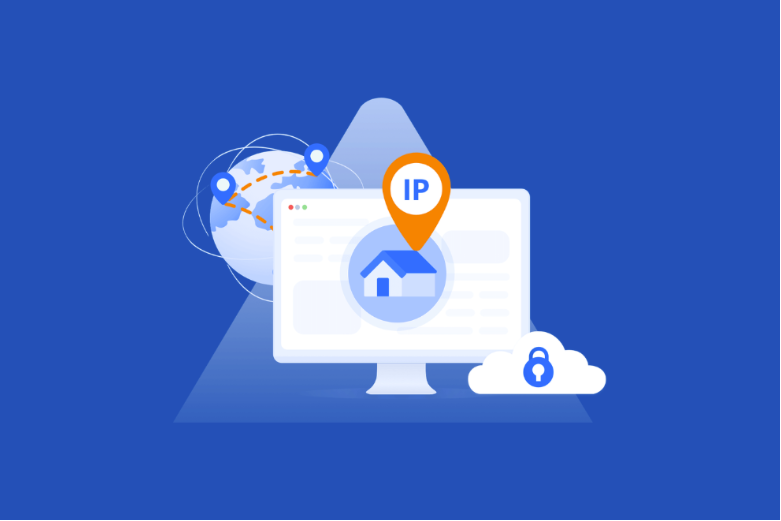
Residential proxies for streaming
4. What makes a good proxy server for streaming?
A good streaming proxy needs to maintain a connection that is fast and stable enough for continuous video playback. Several factors can affect the experience.
-
Speed and bandwidth: A proxy needs enough available bandwidth to transfer video data without frequent buffering or quality reductions.
-
Low latency: Lower latency generally helps the connection respond more quickly, which is particularly relevant for live streaming and other interactive video use cases.
-
Stable connection: Consistent performance matters more than a short burst of peak speed when watching long-form video.
-
Location coverage: If you need access to content associated with a particular region, the proxy provider should offer IPs in the relevant countries or locations.
-
Platform compatibility: A proxy may work normally with one streaming service but be detected or restricted by another. Netflix, for example, explicitly documents errors that can appear when its systems identify a VPN or proxy connection.
In practice, a proxy with moderate but consistent performance can provide a better streaming experience than one with high peak speeds but unstable connectivity.
5. Can a proxy help you stream geo-restricted content?
Some streaming platforms restrict videos or other content based on the viewer's country or region. YouTube, for example, states that some videos may be unavailable in particular countries because of licensing rights or local laws.
A proxy can change the IP address and location associated with your connection, which may affect how a platform determines your region. This is why a streaming proxy is sometimes used when users want to stream unblocked content that is available in another location. However, a proxy does not guarantee that geo-restricted content will become available.
-
Regional restrictions: Some platforms make content available only in specific countries because of licensing arrangements or local requirements.
-
IP location: A proxy can provide an IP associated with another country or region.
-
Proxy detection: Streaming platforms can identify and restrict certain proxy or VPN connections.
-
Platform policies: Each service can have its own rules and technical restrictions around proxy and VPN connections.
For example, Netflix explicitly states that users may receive a message asking them to turn off a VPN or proxy, while some Netflix errors can also occur when a proxy prevents the service from being reached correctly.
If you only need a quick way to test whether a particular location can access a website or streaming page, you can also try IPFighter's Free Web Proxy.

Access YouTube using IPFighter's Free Web Proxy
Read more:
-
What is a SOCKS5 proxy? Why is it a high-performance standard?
-
What is a residential proxy? Why websites trust these IPs
-
How to check if a proxy is working and read your results
6. Why does streaming buffer when using a proxy?
Buffering when using a proxy can result from server congestion, limited bandwidth, high latency, long network distance, or inefficient routing between your device, the proxy, and the streaming platform. An unstable connection or a proxy IP that is throttled by the platform can also interrupt playback.
Using a proxy does not automatically make streaming faster. Because the proxy adds another connection point between you and the streaming service, its network quality can either have little impact or introduce additional latency and buffering.
7. How can you choose a proxy server for streaming?
Choosing a streaming proxy starts with the service and content you actually need to access. Instead of selecting a proxy based only on price or the number of available IPs, check the following factors:
-
Streaming platform: Identify the service you plan to use and check whether it has known proxy or VPN restrictions.
-
Target location: Choose a proxy location that matches the country or region relevant to your streaming needs.
-
Connection stability: Prioritize consistent connections for long streaming sessions instead of focusing only on maximum speed.
-
Latency and speed: Test latency and download performance to see whether the proxy can handle your expected video quality.
-
IP quality: Check the proxy IP's reputation and whether it has signs of previous abuse or proxy detection.
-
Platform compatibility: Test the proxy directly with the streaming service before committing to a large amount of traffic.
-
Trial or small test: If a provider offers a trial or allows small purchases, test several IPs before scaling up.
You can also use a Proxy Checker to examine proxy status, IP information, location, and other connection details before using an IP for streaming.
8. Are proxy servers legal for streaming?
Using a proxy server is not automatically illegal everywhere. The legal implications depend on the country or region, what you do through the proxy, and the rules that apply to the content or service you access.
The distinction is important because using a proxy and using a proxy for a particular activity are separate issues. For example, users should consider:
-
Local laws: Rules governing internet access and proxy use vary between jurisdictions.
-
Copyright: Streaming copyrighted content does not remove copyright restrictions simply because a proxy is being used. YouTube notes that copyright rules vary by country or region and that audiovisual works such as online videos can be protected by copyright.
-
Content licensing: A streaming platform may have distribution rights that vary between countries. YouTube, for example, allows content owners to restrict videos in specific territories based on their rights.
-
Platform terms: Streaming services can impose their own technical or contractual restrictions on proxy and VPN connections. Netflix, for instance, documents several situations involving VPN or proxy connections.
Therefore, there is no universal rule that says using a proxy to access geo-restricted streaming content is always legal or always illegal. Check the applicable laws and the streaming service's terms for your specific situation.
Are proxy servers legal for streaming
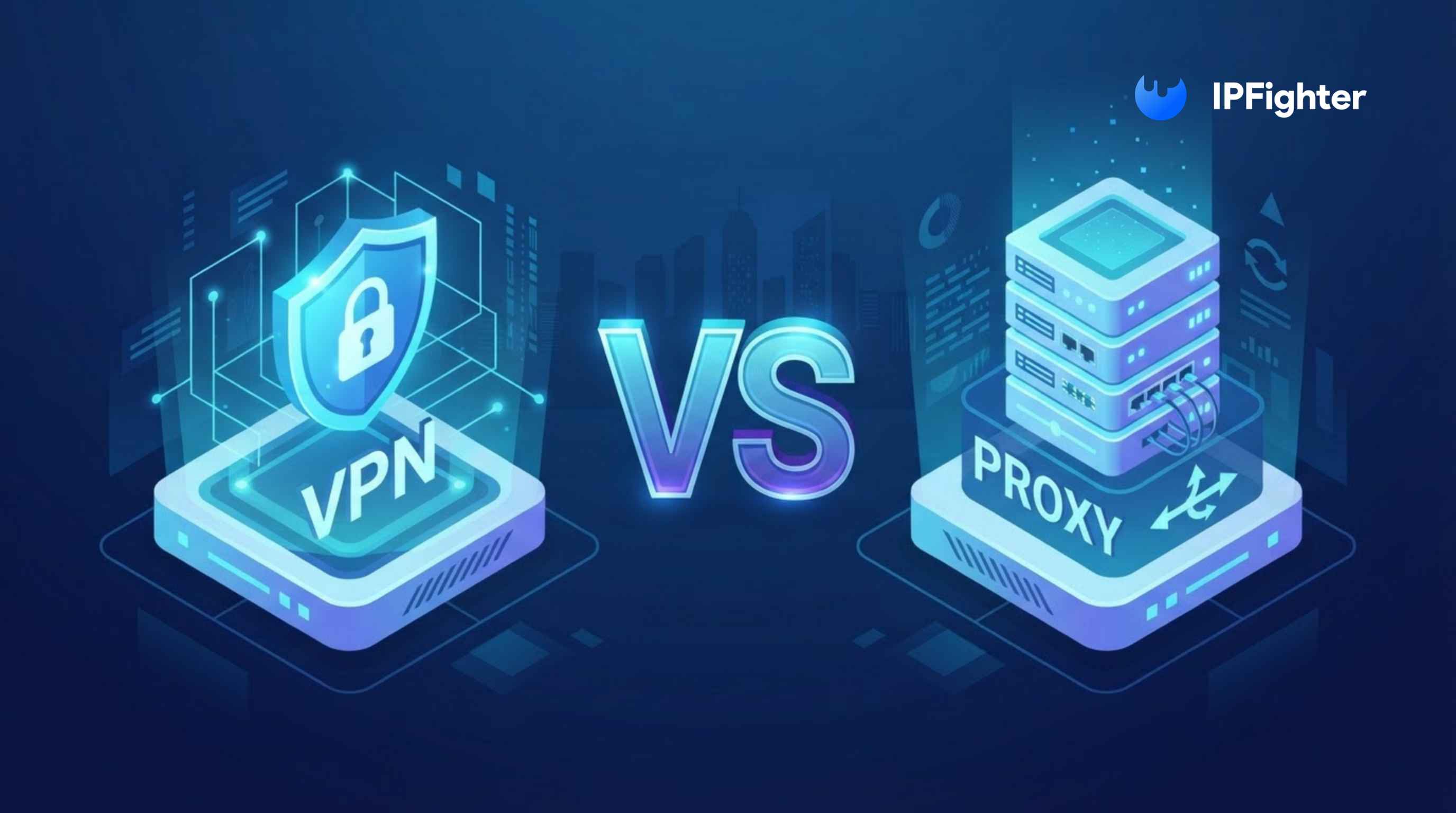
9. Proxy server vs VPN for streaming: what's the difference?
Proxy servers and VPNs can both route traffic through another server and change the IP address visible to a destination. Their technical implementation and scope of protection, however, are different.
|
Factor |
Proxy |
VPN |
|
IP masking |
Yes |
Yes |
|
Encryption |
Depends on proxy/protocol |
Typically yes |
|
Device-wide routing |
Depends on setup |
Usually |
|
Browser/app-specific use |
Common |
Depends on VPN |
|
Streaming compatibility |
Platform-dependent |
Platform-dependent |
|
Speed |
Depends on provider |
Depends on provider |
For streaming specifically, neither option guarantees access to a particular platform or content library. Compatibility can change depending on the service, server IP, location, and the platform's detection systems.
10. Conclusion
A proxy server for streaming can route your connection through another IP and may help with location-specific streaming. However, it does not guarantee faster speeds, smoother playback, or access to every streaming platform.
For a better streaming experience, consider speed, bandwidth, latency, stability, location, and platform compatibility when choosing a proxy. Free proxies can be useful for testing, but their performance may be inconsistent, so checking the proxy before longer streaming sessions is recommended.
Before using a proxy, check its IP information and connection status with IPFighter, or try the Free Web Proxy to test location-based access without configuring a proxy manually.
11. FAQ
Can I use a free proxy for streaming?
Yes, free proxies can be used for basic streaming tests, but their speed, stability, bandwidth, and availability can vary significantly. Public proxies may also be shared by many users, which can affect performance.
Will a proxy make streaming faster?
Not necessarily. A proxy adds another server between your device and the streaming platform. If the proxy has good routing and sufficient bandwidth, the impact may be small, but a congested or distant proxy can increase latency and cause buffering.
Can a proxy unblock streaming services?
A proxy can change the IP address and location associated with your connection, which may help with some location-based restrictions. However, streaming platforms can detect or restrict proxy IPs, so a proxy does not guarantee access to a particular service or content library.
Can streaming platforms detect proxy servers?
Yes. Streaming platforms can identify and restrict some proxy or VPN connections. Netflix, for example, documents errors that can appear when its systems identify a VPN or proxy connection.
Is a proxy better than a VPN for streaming?
They serve different purposes and have different technical characteristics. A proxy can be useful when you need to route traffic for a particular browser or application, while a VPN generally provides broader traffic routing and encryption. The practical choice depends on your streaming setup, privacy requirements, and platform compatibility.
What type of proxy is best for streaming?
Residential proxies are commonly considered for streaming when location coverage and IP reputation are important. Static ISP proxies can be useful when you need a consistent IP, while SOCKS5 can provide flexible traffic handling. The appropriate option depends on speed, stability, location, and compatibility with the streaming platform.
Read more
Proxy server for streaming: Can it improve your experience?

Rapidproxy review: A closer look at its residential proxy network
Coronium review: How do its dedicated 4G/5G proxies perform?
ProxyEmpire review: What do its proxy services offer?
Proxy001 review: Exploring its 100M+ residential proxy network
Difference between VPN and proxy: What’s the difference?